


How to Move House Plants Without Losing Them
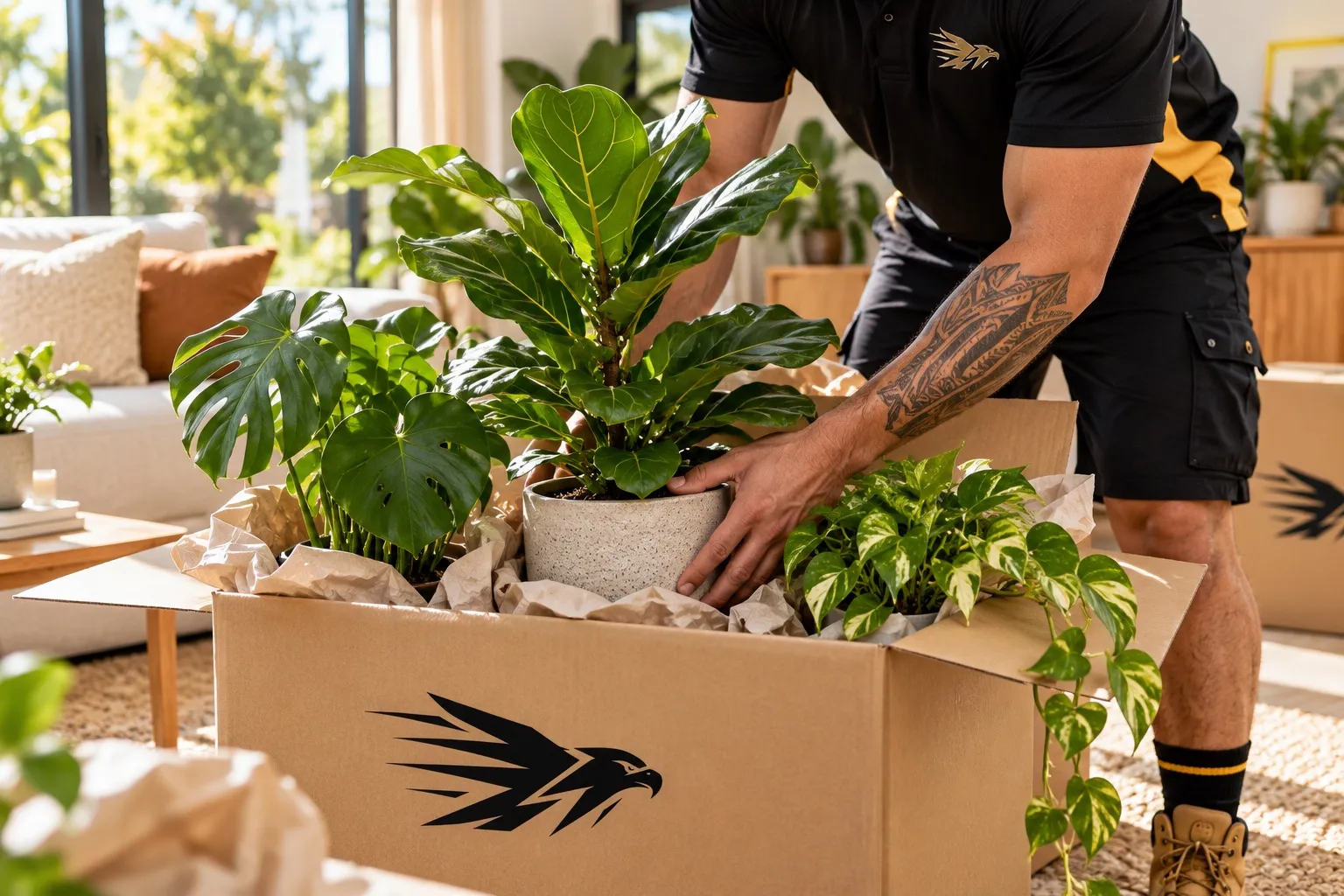
House plants travel best when you prepare them a week or two ahead and keep the trip short and gentle. Prune off any dead growth, check for pests, and move plants out of heavy ceramic pots into lightweight plastic ones so they are lighter and less likely to shatter. Water them a couple of days before, not on the morning, so the soil is damp but not sodden. Pack them upright in boxes so they cannot tip, keep them out of direct sun and a hot car, and unpack them as soon as you arrive. If your move crosses a state border, check the quarantine rules first, because some states restrict which plants and soil can come in.
Prepare your plants a week or two ahead
Give your plants time to recover from any fuss before they travel. Prune away dead or straggly growth so each plant is more compact and easier to box, and so it can put its energy into staying healthy rather than holding up long stems. This is also the moment to check the undersides of leaves and the soil for pests. Treat anything you find now, because a move is a fast way to spread bugs through your whole collection, and pests are exactly what border quarantine is watching for.
If your plants live in heavy ceramic or terracotta pots, repot them into plastic pots of the same size a couple of weeks out. Plastic is lighter to carry, far less likely to crack, and gives the roots time to settle before the move. Keep the good pots and move them empty and wrapped, then repot once you have arrived and everything is in place.
Water a couple of days before, not on the day
Timing the last watering matters. Water your plants two or three days before the move so the soil is lightly moist when they travel. Soil that is soaked on the morning is heavy, messy, and can rot roots or leak through the boxes, while bone-dry soil leaves the plant stressed. Damp but not wet is what you are after. In cooler weather you can water a touch earlier, and in the heat keep them shaded so they do not dry out before you leave.
Pack and transport them on the day
Plants are the last thing to load and the first thing to unload. Pack them so they cannot move:
- Stand pots upright in a sturdy box and pad the gaps with paper or towels so they cannot slide
- Group small pots together in one box, and give large plants their own
- Wrap tall or delicate plants loosely so branches are not snapped in transit
- Poke a few holes in closed boxes so the plants can breathe on a longer trip
- Label the boxes as plants and mark them this way up
Carry plants in your own car rather than the removal truck where you can, especially in summer. The back of a truck gets hot and dark, and a few hours in there can cook or wilt a plant. Keep them out of direct sun on the seat, and never leave them shut in a parked car in the heat. If larger plants must go on the truck, load them last so they come off first and spend the least time enclosed.
Crossing state borders, check the rules first
Moving plants interstate is not as simple as moving them across town. Australia manages the spread of pests and diseases between regions, and some states and territories restrict which plants, and which soil, can cross their borders. The rules depend on where you are heading, so check your destination's requirements well before moving day. In some cases plants may need to travel with their roots washed free of soil, or certain species may not be allowed in at all. Look this up early so you are not turned back at a checkpoint or forced to leave plants behind. For a local move within the same area this does not apply, but for any interstate move it is worth sorting weeks ahead.
Settle plants in quickly
Unpack your plants as soon as you arrive so they are not sitting boxed any longer than they have to. Give them a drink if the soil has dried out, and put them somewhere with light while you work out their permanent spots. Do not repot back into their ceramic pots and rearrange everything on day one, because plants dislike too many changes at once and a move is already a shock. Let them settle for a week or two, keep them watered, and expect a few droopy leaves as they adjust. Most bounce back once they are in steady light and a regular routine again.
Common questions
Should I water plants before moving them? Yes, but two or three days before, not on the day. You want the soil damp rather than soaked, so the plant is hydrated while the pot stays light and does not leak.
Can plants travel in the removal truck? Small plants are better off in your own car, especially in warm weather, since a truck gets hot and dark. If large plants must go on the truck, load them last and unload them first.
Can I take my plants interstate? Sometimes, but some states and territories restrict plants and soil at their borders, so check your destination's quarantine rules well ahead. Rules vary, and a few plants may not be allowed across at all.
How do I stop pots breaking in the move? Repot into plastic before the day, stand pots upright in padded boxes so they cannot slide, and move heavy ceramic pots separately, empty and wrapped.
A little groundwork keeps a plant collection intact through a move, even a big one. If you would rather leave the furniture and boxes to a crew while you look after the greenery yourself, tell us what you are moving and we will confirm the rate and move plan around it.